
14 Aug Best Neighborhoods to Live in Miami After Divorce
Summary
Choosing the best neighborhoods to live in Miami after divorce requires balancing lifestyle preferences with important Florida family law considerations such as parenting plans and financial obligations. This guide explains how housing decisions interact with time sharing, support obligations, and Miami Dade County living options while highlighting neighborhoods that often work well for individuals rebuilding their lives after divorce.
Choosing the best neighborhoods to live in Miami after divorce involves more than selecting an attractive residential area. For many individuals leaving a marriage in Miami Dade County, relocation becomes part of a broader transition that includes rebuilding financial stability, adjusting to a new parenting schedule, and complying with Florida family law obligations. The decision of where to live after divorce can influence time sharing arrangements, school access, commute times, and the overall ability to maintain stability for children. Florida courts emphasize the best interests of the child when establishing parenting plans and time sharing schedules under Florida Statutes §61.13, and housing decisions often intersect with those legal considerations. Accordingly, selecting the right Miami neighborhood requires a thoughtful analysis of legal, financial, and lifestyle factors.
Key Legal Concepts Affecting Where You Live After Divorce
Divorce frequently requires spouses to restructure nearly every aspect of daily life. Housing becomes one of the most immediate concerns once a dissolution of marriage is finalized or while it is pending. Florida courts recognize that post divorce living arrangements affect the ability of parents to comply with parenting plans, which must include detailed time sharing schedules specifying overnights, holidays, and school year responsibilities. Courts consistently emphasize that the child’s best interests remain the central focus when determining or modifying these arrangements.
A parenting plan must contain a time sharing schedule that specifies when a child spends time with each parent. The schedule typically includes weekday overnights, weekend rotations, school holidays, and summer schedules. Florida law recognizes that children benefit from frequent and continuing contact with both parents after separation. For this reason, courts often evaluate whether a parent’s residence supports consistent time sharing.
Florida law also establishes a rebuttable presumption that equal time sharing is in a child’s best interests unless evidence demonstrates otherwise. This presumption encourages parents to select housing arrangements that facilitate ongoing contact between both households. Living within reasonable distance of the other parent often helps prevent disputes and promotes stability for children adjusting to life after divorce.
Florida Specific Law Governing Housing and Post Divorce Life
Florida’s dissolution of marriage framework is primarily governed by Chapter 61 of the Florida Statutes. These statutes address equitable distribution of marital assets, alimony, child support, and parenting plans. Housing decisions frequently intersect with each of these legal topics. For example, the marital home may become a significant asset subject to equitable distribution or temporary possession orders during the divorce process.
Financial considerations also affect housing decisions after divorce. In Parker v. Parker, the Second District Court of Appeal explained that alimony calculations must be based on net income rather than gross income. When a trial court calculates support using gross income instead of net income, the error may require reversal on appeal. This principle directly influences housing affordability because alimony awards often determine how much a party can reasonably spend on rent or mortgage payments.
Recent changes to Florida alimony law have also altered financial planning after divorce. Permanent alimony has been eliminated and the duration of support awards now depends largely on the length of the marriage. These legislative changes encourage divorcing spouses to plan for long term financial independence, which can influence housing choices in high cost markets such as Miami.
Another important legal principle concerns judicial responsibility in determining time sharing arrangements. In Merlihan v. Skinner, the Fourth District Court of Appeal held that a trial court may not delegate its responsibility for determining time sharing issues to a guardian ad litem or other third party without independently evaluating the facts and law. This decision underscores the importance of presenting evidence regarding each parent’s housing environment when time sharing disputes arise.
Procedure and Process in Miami Divorce Cases
Divorce cases in Miami Dade County are typically filed in the Eleventh Judicial Circuit. The process begins when one spouse files a petition for dissolution of marriage. After the petition is filed, the parties exchange financial disclosures that reveal income, expenses, assets, and liabilities. These disclosures help the court determine equitable distribution and support obligations.
Temporary hearings may occur early in the case to address issues such as possession of the marital home, temporary child support, and temporary time sharing schedules. During this stage, one spouse may be granted exclusive use of the marital residence while the divorce case proceeds.
Mediation plays a central role in many Miami divorce cases. During mediation, spouses attempt to resolve disputes involving property division, alimony, and parenting plans. Housing arrangements are often negotiated during this stage. For instance, the parties may agree to sell the marital home and divide the proceeds or allow one spouse to buy out the other’s interest.
After mediation and trial, the court enters a final judgment of dissolution of marriage. The final judgment establishes a parenting plan, determines financial obligations, and resolves property division issues. At that point, each spouse typically secures independent housing consistent with the court’s orders.
Common Mistakes When Choosing a Neighborhood After Divorce
Many individuals make housing decisions quickly after divorce without fully considering the legal and logistical consequences. One common mistake involves selecting a residence that significantly increases travel time between parents. When commuting distances become excessive, parents may struggle to follow the time sharing schedule.
Another frequent mistake involves overlooking financial sustainability. Divorce often reduces the household income available to each spouse. Selecting a residence that exceeds one’s post divorce budget can create ongoing financial strain and lead to future disputes about support obligations.
Parents sometimes assume that recommendations from third parties will automatically determine parenting arrangements. However, courts retain the final authority to determine time sharing schedules. Housing decisions that undermine the feasibility of a parenting plan may therefore attract judicial scrutiny.
What the Court Looks For in Housing Stability
Florida courts evaluate housing stability primarily through the lens of the child’s best interests. Judges examine whether each parent can provide a stable environment that supports the child’s emotional and developmental needs. Proximity to schools, access to safe recreational areas, and the ability to maintain consistent routines often influence the court’s analysis.
Educational continuity also plays an important role. Miami Dade County contains numerous school zones that correspond with neighborhood boundaries. Relocating to a different school district may disrupt a child’s academic environment, which courts typically seek to avoid.
Additionally, courts evaluate each parent’s willingness to encourage a positive relationship between the child and the other parent. Housing choices that facilitate transportation and communication between households often support this objective.
Miami Specific Legal Considerations
Miami Dade County presents unique geographic and economic factors that influence post divorce housing decisions. Traffic congestion, school zoning, and housing affordability vary significantly throughout the county. Parents who share time with their children under a parenting plan often prioritize neighborhoods that allow efficient travel between homes.
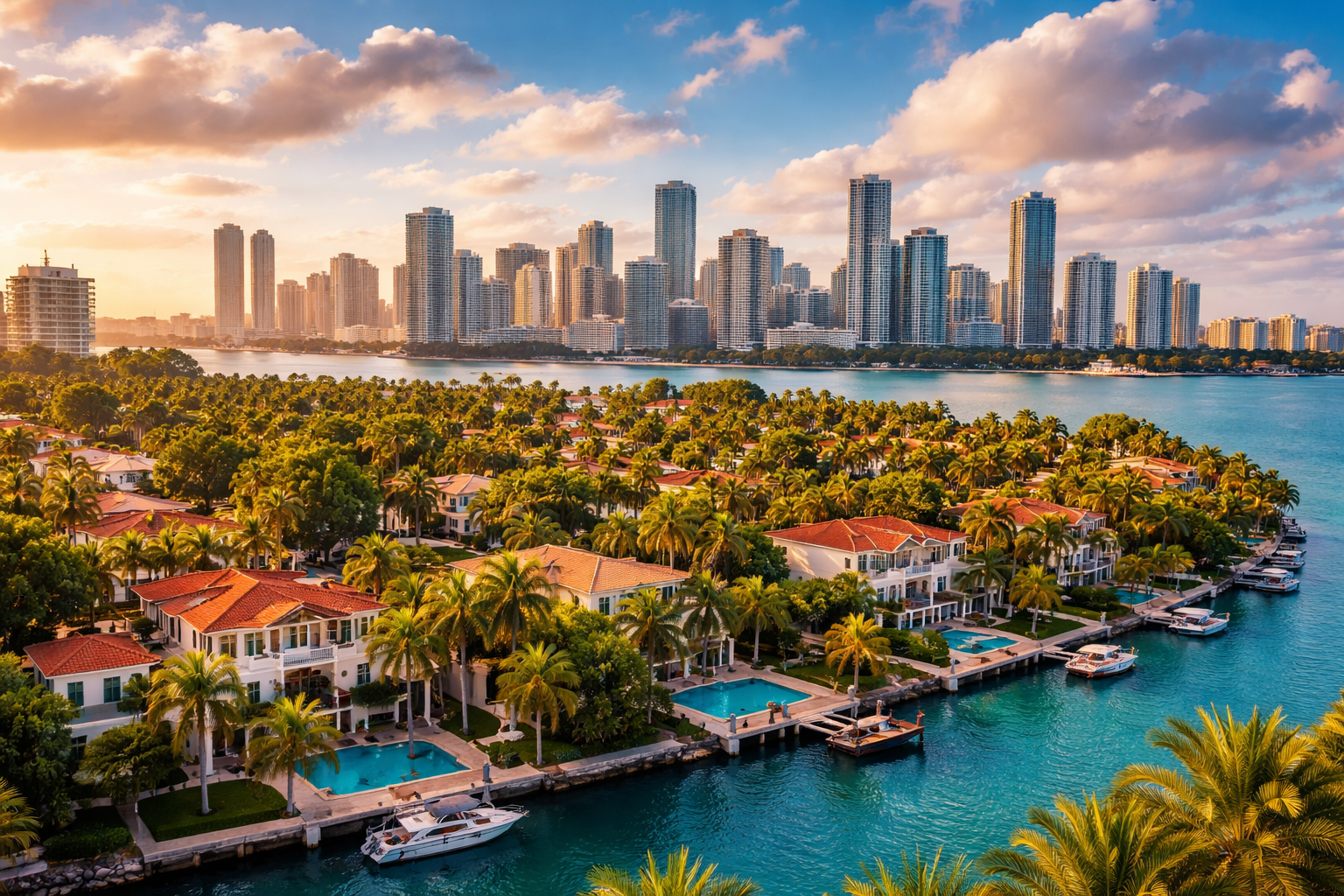
Several communities consistently appeal to individuals navigating post divorce life in Miami. Coral Gables offers historic homes, tree lined streets, and access to highly regarded schools. Coconut Grove provides a relaxed atmosphere with waterfront parks and pedestrian friendly streets. Kendall and Pinecrest attract many families seeking suburban stability and established school districts.
Brickell represents a different lifestyle option that appeals to professionals who prefer urban living near downtown employment centers. The area features high rise condominiums, restaurants, and nightlife. While attractive to newly single professionals, parents with children often evaluate whether a high density urban environment supports their parenting responsibilities.
Best Neighborhoods to Live in Miami After Divorce
When evaluating the best neighborhoods to live in Miami after divorce, individuals typically balance affordability, convenience, and lifestyle preferences. Coral Gables frequently ranks among the most desirable communities due to its central location and strong public and private school options.
Coconut Grove attracts individuals who value a close knit community atmosphere and outdoor lifestyle. The neighborhood’s waterfront parks and cultural amenities create an appealing environment for individuals rebuilding their lives after divorce.
Pinecrest and Kendall remain popular among parents seeking larger homes and quieter residential streets. These areas often provide more space and access to family oriented amenities compared to dense urban districts.
Brickell continues to attract professionals who prioritize walkability and proximity to Miami’s financial district. Newly divorced individuals without primary residential responsibility for children may find the neighborhood’s vibrant lifestyle particularly appealing.
Working With a Miami Divorce Lawyer When Planning Your Next Move
Relocating after divorce involves both legal and practical considerations. A Miami family law attorney can help ensure that housing decisions remain consistent with the parenting plan, financial obligations, and statutory requirements. Because housing choices may affect time sharing logistics, transportation responsibilities, and school enrollment, legal guidance can prevent disputes before they arise.
Family law practitioners frequently advise clients to evaluate proximity to the other parent, school zoning, and commuting patterns when selecting a new residence. These factors help maintain compliance with court orders and promote stability for children.
Moving Forward After Divorce in Miami
Divorce represents a major life transition, yet it also offers an opportunity to build a new chapter with intentional planning. Choosing the best neighborhoods to live in Miami after divorce can influence financial stability, parenting success, and emotional well being. By evaluating legal obligations alongside lifestyle goals, individuals can create living arrangements that support long term stability.
Conclusion
Finding the best neighborhoods to live in Miami after divorce requires balancing financial realities, parenting responsibilities, and lifestyle preferences. Florida family law emphasizes stability and the best interests of children, which means housing decisions often intersect with legal considerations. By carefully evaluating neighborhood characteristics and parenting logistics, individuals can make housing decisions that support a smoother transition into post divorce life.
TLDR: The best neighborhoods to live in Miami after divorce depend on affordability, proximity to children and schools, commute times, and compliance with parenting plans under Florida Statutes §61.13. Popular options include Coral Gables, Coconut Grove, Pinecrest, Kendall, and Brickell.
What are the best neighborhoods to live in Miami after divorce?
Popular options include Coral Gables, Coconut Grove, Pinecrest, Kendall, and Brickell depending on lifestyle priorities and parenting responsibilities.
Does where I live affect my parenting plan in Florida?
Yes. Housing choices can impact the ability to follow a parenting plan and time sharing schedule established under Florida Statutes §61.13.
Can I move to another neighborhood after divorce in Miami?
Moves within Miami Dade County are generally allowed, but relocation that interferes with time sharing may require court review.
Is downtown Miami a good place to live after divorce?
Downtown areas such as Brickell are popular among professionals seeking an urban lifestyle after divorce, particularly for individuals without primary residential responsibility for children.
Should I consult a lawyer before moving after divorce?
Consulting a Miami family law attorney can help ensure that relocation decisions remain consistent with parenting plans and court orders.